



Every workspace tells a story about how an organization operates and grows. The layout of an office can shape the daily interactions and behaviors of the people within it. When designed intentionally, an office becomes a physical expression of company culture.
The four primary types of workplace culture that influence how a space should function are collaborative, creative, structured, and results-driven. Each comes with unique priorities that can be supported—or hindered—by design. Understanding these cultural frameworks is the first step in creating an environment that helps teams perform their best.
Designing for Collaboration
In a collaborative culture, teamwork is at the heart of everything. These organizations value connection and shared problem-solving. An effective layout for this type of environment prioritizes visibility and accessibility.
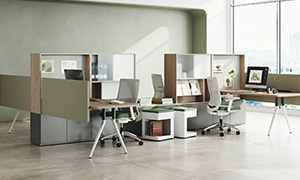
Open floor plans encourage spontaneous interaction, while flexible furniture allows teams to reconfigure spaces as projects evolve. Even with open layouts, zones for focused work remain important. Acoustic dividers, lounge nooks, and smaller meeting pods help balance collaboration with concentration, preventing noise and visual distractions from becoming overwhelming.
Designing for Creativity
Creative cultures thrive on experimentation and freedom. For them, design is about sparking imagination and supporting diverse work styles. Vibrant color palettes and artistic elements energize the environment. Modular furniture gives teams the flexibility to adapt spaces for design sessions, client presentations, or casual collaboration.
Incorporating informal gathering areas, such as lounge seating or café-style zones, encourages cross-departmental interaction, where new ideas often emerge. By allowing the space to evolve alongside the work, creativity becomes part of the daily rhythm.
Designing for Structure
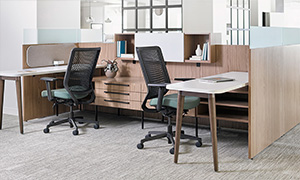
Structured cultures rely on clarity, precision, and consistency. These organizations often operate in industries that value focus, confidentiality, or regulatory compliance, such as finance, law, or healthcare. Layouts for structured environments prioritize organization and privacy. Defined workstations, quiet offices, and clear circulation routes help employees stay focused and maintain productivity.
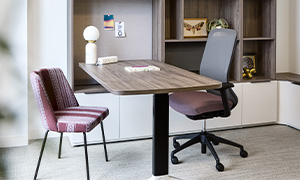
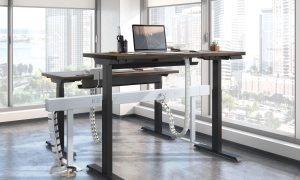
Ergonomic furniture ensures comfort during extended periods of concentrated work, while dedicated storage keeps spaces neat and efficient. Technology integration plays a major role here too, ensuring that workflows remain secure and uninterrupted. A structured layout can still be inviting and functional. Thoughtful use of materials reinforces a sense of order while maintaining a professional atmosphere.
Designing for Results
Results-driven cultures emphasize achievement and measurable performance. These environments are typically fast-paced and goal-oriented, requiring spaces that support efficiency and motivation.
An effective layout for results-focused teams blends energy with purpose. Centralized collaboration areas allow for quick check-ins, while quiet zones support deep work. Clear sightlines between leaders and teams promote transparency and momentum. Furniture solutions with built-in technology streamline communication and reporting, helping teams stay connected and agile.
Aligning Space with the Different Types of Workplace Culture
Each of the four types of workplace culture benefits from a unique spatial approach, but the most successful offices balance multiple elements. Few organizations fit neatly into one category; instead, they blend aspects of each to match their identity and goals. For example, a tech company may combine creative and results-driven traits, requiring flexible collaboration zones alongside focused work areas. A healthcare organization may integrate structured design with elements of collaboration to promote communication while maintaining compliance. By identifying which cultural values drive your organization, it becomes easier to plan a layout that supports both people and performance.
How D&R Office Works Helps Translate Culture Into Design
Creating a workspace that truly reflects your culture begins with understanding how your team functions. D&R Office Works partners with organizations to assess workflows, communication patterns, and operational goals before developing tailored layouts and furniture plans. Through detailed space planning, product selection, and expert installation, our team ensures every aspect of design aligns with your culture and brand. Partnerships with trusted manufacturers, such as HON, Kimball International, and SitOnIt Seating, provide flexible, ergonomic, and durable solutions that adapt as your workplace evolves.
Our integrated approach eliminates coordination challenges between designers, installers, and vendors. This streamlined process ensures consistency and efficiency through every phase of your project.
Building a Culture That Works
An office layout is a reflection of how an organization values its people and its purpose. By aligning design decisions with culture, businesses can create spaces that inspire collaboration, fuel creativity, and drive results. The right environment has the power to strengthen identity, enhance engagement, and turn everyday work into shared success.
