



The connection between workspace design and business performance is becoming impossible to ignore. For facilities managers juggling tight budgets and competing priorities, understanding how office space planning affects productivity and employee satisfaction is crucial to making workspace investments that deliver tangible results.
The Real Cost of Design Decisions
When office layouts don’t match how people actually work, the problems pile up fast. Poorly planned workspaces create daily frustrations: employees waste time navigating awkward layouts, fight with inadequate storage, and battle uncomfortable seating that leaves them drained by afternoon. Think about the difference between workstations that force people into cramped, uncomfortable positions versus spaces designed around how humans naturally move and work. The gap is evident everywhere: in energy levels, focus, and even whether talented employees stay or start looking elsewhere.
Organizations that invest in thoughtful planning consistently see improvements in workflow efficiency, employee engagement, and overall operations. The ones that don’t continue to face the same productivity challenges year after year.
What Actually Makes Office Space Planning Work
Effective workspace design isn’t rocket science, but it does require understanding how different elements work together to support (or sabotage) daily productivity.
- Smart Traffic Flow: Effective design eliminates annoying bottlenecks and reduces wasted steps. Put frequently used resources—printers, supplies, meeting rooms—where they make sense, and people can spend their energy on actual work instead of playing office navigation games.
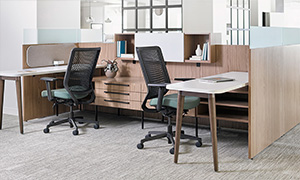
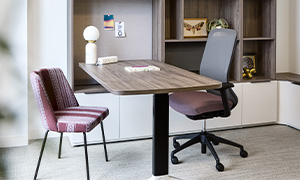
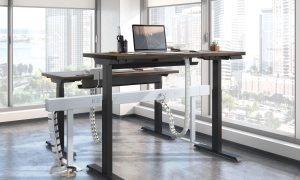
- Ergonomic Basics: Quality workstations, configured to reduce the physical strain that can make it challenging to focus. Adjustable desks, supportive chairs, and monitors at the right height create environments where people can stay comfortable and productive all day.
- Getting Acoustics Right: Modern offices must strike a balance between collaboration and concentration. Strategic sound management and smart zoning between collaborative and quiet areas help maintain productive noise levels while supporting different work styles.
- Light and Tech Integration: Maximize natural light while ensuring proper task lighting. Integrate technology infrastructure properly so people aren’t constantly hunting for outlets or dealing with connectivity issues that derail their workflow.
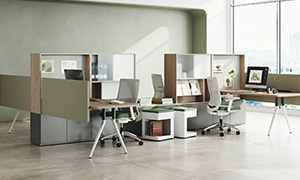
- Flexibility When It Counts: Today’s workspaces need to adapt. Smart office spaces include furniture solutions that can be reconfigured as teams, projects, and needs evolve without requiring major renovations.
Making the Business Case
When you’re presenting workspace improvements to leadership, connect design decisions to business outcomes they care about. Professional office space planning tackles multiple organizational challenges at once:
- Operational Efficiency: Better layouts mean less time wasted on workspace-related frustrations. These small daily improvements add up to significant productivity gains over time.
- Keeping Good People: Comfortable, well-designed workspaces contribute to job satisfaction. Given the cost of replacing skilled employees, workspace improvements often pay for themselves in retention alone.
- Space Optimization: Strategic planning usually reveals ways to use existing square footage more effectively. You might reduce real estate costs or accommodate growth without needing more space.
- Professional Image: Well-designed offices communicate competence to clients, partners, and potential hires, supporting business development and recruitment efforts.
Making Smart Workspace Investments
The most successful workspace projects start with an honest analysis of current problems and clear goals for improvement. Instead of chasing design trends or focusing purely on aesthetics, effective planning begins with understanding how your team actually works.
Quality furniture selection matters more than many realize. Ergonomic seating, adjustable workstations, and durable materials represent investments in employee health and operational longevity. While upfront costs may be higher than basic alternatives, the long-term value in reduced maintenance, improved comfort, and enhanced performance typically justifies the investment. Professional installation ensures your carefully selected furniture actually performs as intended. Proper assembly, positioning, and configuration maximize both functionality and lifespan of workspace investments.
Creating Spaces That Support Success
When your office space planning matches actual work patterns and employee needs, the benefits ripple throughout the organization. Better focus, smoother collaboration, less physical discomfort, and higher satisfaction create positive cycles that reinforce productivity and engagement. D&R Office Works has helped organizations across healthcare, education, and corporate sectors create workspaces that support their unique objectives through comprehensive space planning, quality furniture selection, and expert installation services. Ready to see how strategic space planning can improve your workplace performance? Schedule your workspace assessment with us today!
