

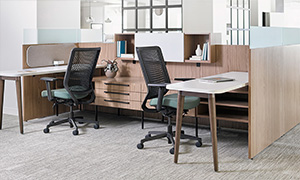
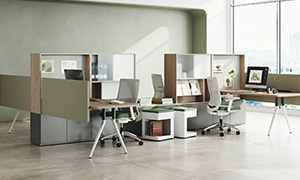
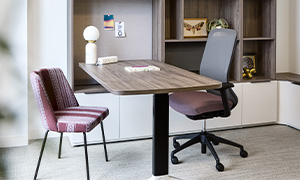
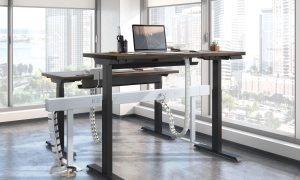


Selecting furniture for a medical practice, clinic, or wellness center requires a different set of priorities than a standard corporate buildout. Infection control, patient comfort, ADA compliance, and daily wear all factor into decisions that most office environments never need to consider. For organizations shopping for healthcare facility furniture in Southern California, having a clear framework for evaluating products and partners can save significant time, money, and frustration. This buyer’s guide covers what facilities managers and practice administrators should look for when choosing medical office furniture in Los Angeles and the surrounding region, including the medical waiting room furniture that shapes every patient’s first impression.
Infection Control and Cleanability
In healthcare environments, furniture must support rigorous cleaning protocols. Upholstered seating that can’t withstand hospital-grade disinfectants or surfaces that trap moisture create infection control risks that no medical practice can afford.
Look for materials specifically designed for healthcare use: moisture-resistant fabrics, sealed seams, antimicrobial surfaces, and non-porous finishes that hold up to frequent wiping with bleach-based or quaternary disinfectant solutions. Avoid furniture with deep crevices, exposed foam, or fabric weaves that harbor bacteria and resist thorough cleaning. These specifications should be confirmed during product selection, not discovered after installation. A partner with healthcare-specific experience will know which manufacturer lines meet these standards and which fall short.
Durability for High-Traffic Medical Spaces
Medical waiting room furniture endures constant use. Patients sit, shift, and stand dozens of times each day, and the furniture needs to perform under that kind of repetitive stress without showing premature wear.
ANSI/BIFMA testing standards provide a reliable benchmark for evaluating durability. Products that meet these standards have been tested for structural integrity, stability, and longevity under simulated real-world conditions. For healthcare settings, look for commercial-grade frames, reinforced joints, and weight capacities that accommodate a diverse patient population.
Warranty coverage is another important indicator. Manufacturers who stand behind their healthcare lines with strong warranties signal confidence in the product’s ability to perform in demanding environments.
ADA Compliance and Patient Comfort
Every piece of medical waiting room furniture should support accessibility. ADA-compliant seating with appropriate seat heights, armrests that assist with standing, and bariatric options ensure that all patients can use the space comfortably and safely. Clear circulation paths between furnishings allow wheelchair and mobility device access without obstruction.
Patient comfort also influences perception of care quality. A waiting room that feels welcoming and well-maintained sets a positive tone before the appointment even begins. Thoughtful material choices, ergonomic support, and a cohesive design that reflects the practice’s professionalism all contribute to a stronger patient experience.
Selecting Medical Office Furniture in Los Angeles for Different Settings
Healthcare facilities aren’t one-size-fits-all, and the furniture needs vary by space. A waiting room prioritizes patient comfort, cleanliness, and visual warmth. An exam area requires clinical-grade surfaces that support rapid turnover between appointments. Administrative offices and staff workstations need ergonomic seating and functional layouts that keep clinical teams comfortable and efficient throughout long shifts.
The best approach evaluates each area based on its specific function, traffic patterns, and cleaning requirements. Medical office furniture in Los Angeles should be specified by space, not defaulted to a single product line.
Planning Around Patient Care Schedules
Unlike a corporate buildout, a healthcare furniture project needs to work around active patient care. Deliveries that interfere with appointments, block hallways, or create noise during clinical hours disrupt staff and patients alike.
Phased installation plans, after-hours scheduling, and weekend delivery windows help medical practices complete furniture projects with minimal operational impact. A realistic timeline accounts for procurement lead times, manufacturer availability, and installation windows that fit the practice’s schedule.
Your Partner for Healthcare Facility Furniture in Southern California
D&R Office Works has served Southern California medical practices, clinics, and wellness centers for nearly 40 years. The company’s in-house design team evaluates how each clinical environment operates and creates customized layouts tailored to patient flow, staff efficiency, and infection control requirements.
D&R’s manufacturer-agnostic approach means every recommendation is based on the healthcare setting’s needs, not a single brand. This objectivity is especially valuable in medical environments where material specifications, cleanability standards, and durability requirements vary by space. Trusted healthcare partnerships reflect D&R’s proven ability to deliver results in sensitive clinical environments.
D&R’s fully in-house process keeps healthcare projects on schedule with minimal disruption to patient care. Phased installation, after-hours deployment, and dedicated project management ensure that every phase respects the practice’s operational rhythm. A comprehensive punch walk and full closeout package with warranty documentation provides lasting confidence once the project is complete.
Making Confident Healthcare Furniture Decisions
The right healthcare facility furniture in Southern California protects patients, supports staff, and holds up under daily clinical demands.
Planning a healthcare furniture project? Contact the D&R Office Works team at (626) 454-4660 or request a consultation to get started.
