

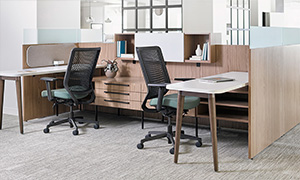
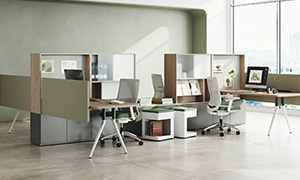
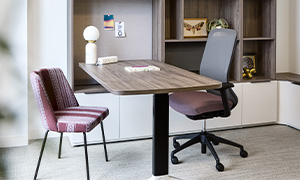
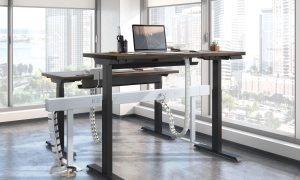


Health and productivity go hand in hand. Organizations that prioritize employee well-being see measurable improvements in engagement, retention, and overall performance. Through thoughtful planning and ergonomic office design, companies can help employees feel better, work smarter, and stay focused throughout the day.
Workplace wellness extends beyond standing desks and comfortable chairs. It’s about creating a working environment that supports employees’ physical and mental health.
Why Ergonomics Matters
Office employees spend the majority of their working hours at their workstations. Poor posture, inadequate seating, and repetitive movements can contribute to discomfort and fatigue, which ultimately reduce performance.
Research continues to confirm the connection between workplace ergonomics and overall health. In fact, ergonomically optimized environments can reduce musculoskeletal disorders by as much as 60%.
When teams feel supported physically, they’re more engaged, more productive, and less likely to experience burnout. Prioritizing ergonomics is a direct investment in workforce sustainability.
The Principles of Ergonomic Office Design
A healthy workspace adapts to the people who use it, not the other way around. Ergonomic office design follows evidence-based principles that support natural movement and reduce strain on the body.
1. Posture Support and Adjustability
Chairs with proper lumbar support and adjustable features allow employees to maintain a neutral spine position. Sit-to-stand desks promote circulation and reduce the risks of prolonged sitting. Adjustable monitor arms and keyboard trays keep screens and tools at the correct height and distance.
2. Movement and Flexibility
Encouraging employees to shift positions throughout the day increases energy and decreases stiffness. Modern furniture solutions, such as mobile seating and height-adjustable tables, make it easy to move, stretch, and collaborate without disrupting workflow.
3. Lighting and Acoustics
Lighting that mimics natural daylight helps maintain circadian rhythm and reduce eye strain. Thoughtful acoustic design enhances focus and reduces cognitive fatigue in open office environments.
4. Technology Integration
Ergonomic setups include not only furniture but also digital ergonomics. Screen height, keyboard spacing, and mouse positioning all influence comfort and posture. Simple workstation assessments help employees make daily adjustments that support wellness.
How to Evaluate and Improve Your Workspace
Being “well at work” means employees experience physical comfort, mental clarity, and the energy to sustain focus throughout the day. Ergonomic office design makes this possible. To help teams truly be well at work, businesses must start with assessment and awareness.
Conduct Ergonomic Evaluations
Periodic workstation evaluations identify risk factors such as poor posture or repetitive stress triggers. Simple checklists, often provided by occupational health specialists or HR wellness programs, can help measure comfort and identify opportunities for improvement.
Involve Employees
Empower team members to personalize their setups. Encourage feedback about comfort, lighting, and noise levels. When employees have a voice in workspace design, engagement naturally increases.
Implement Small Changes With Big Impact
Even minor adjustments, such as repositioning monitors, upgrading seating, or adjusting desk height, can significantly improve comfort. Gradual updates often yield stronger adoption and sustained behavioral change.
The ROI of Wellness and Ergonomic Investment
According to OSHA, ergonomically optimized environments can reduce musculoskeletal disorders by as much as 59%. “Be well at work” isn’t just a slogan; it’s a measurable business strategy. Ergonomic improvements help reduce absenteeism, boost morale, and improve retention. They also reinforce an organization’s commitment to employee care, which strengthens culture and employer brand. Tracking simple metrics, such as employee satisfaction surveys, incident reports, and engagement scores, can reveal how ergonomic office design influences long-term wellness outcomes.
Practical Product Recommendations
As an experienced workspace solutions provider, D&R Office Works partners with leading manufacturers to deliver ergonomic furniture built for daily performance and longevity. HON’s ergonomic seating and height-adjustable desk collections combine research-based comfort with flexible functionality.
Features such as multi-position lumbar support, breathable materials, and intuitive adjustability make it easy for employees to customize their workstations for maximum comfort. When paired with smart layout planning, these solutions create cohesive environments that promote both well-being and productivity.
Building a Culture of Wellness
Creating a truly supportive environment takes intention and follow-through. When leadership embraces ergonomics as part of company culture, it sends a clear message that people come first.
Promoting regular movement breaks, offering sit-stand options, and ensuring proper workstation setup all help employees feel valued and engaged. Through ergonomic office design, organizations can empower their teams to be well at work every day.
Your Partner in Workplace Wellness
D&R Office Works helps organizations design and furnish environments that promote health, performance, and satisfaction. Our team provides space planning, ergonomic assessments, and product recommendations tailored to each client’s goals.
Explore how your organization can help every team member be their best selves at work. Connect with our team to discuss your ergonomic goals and discover solutions that make wellness part of your workplace strategy.
